

Nieuws


0 reacties

22x viewed
Venlo has a Living Lab for applications of bio-based materials in construction. Last week, Healthy Building Movement opened its doors, located at Bouwcenter Driessen. Here, construction professionals, clients and organisations will find concrete information and practical examples on the possible applications of bio-based materials.
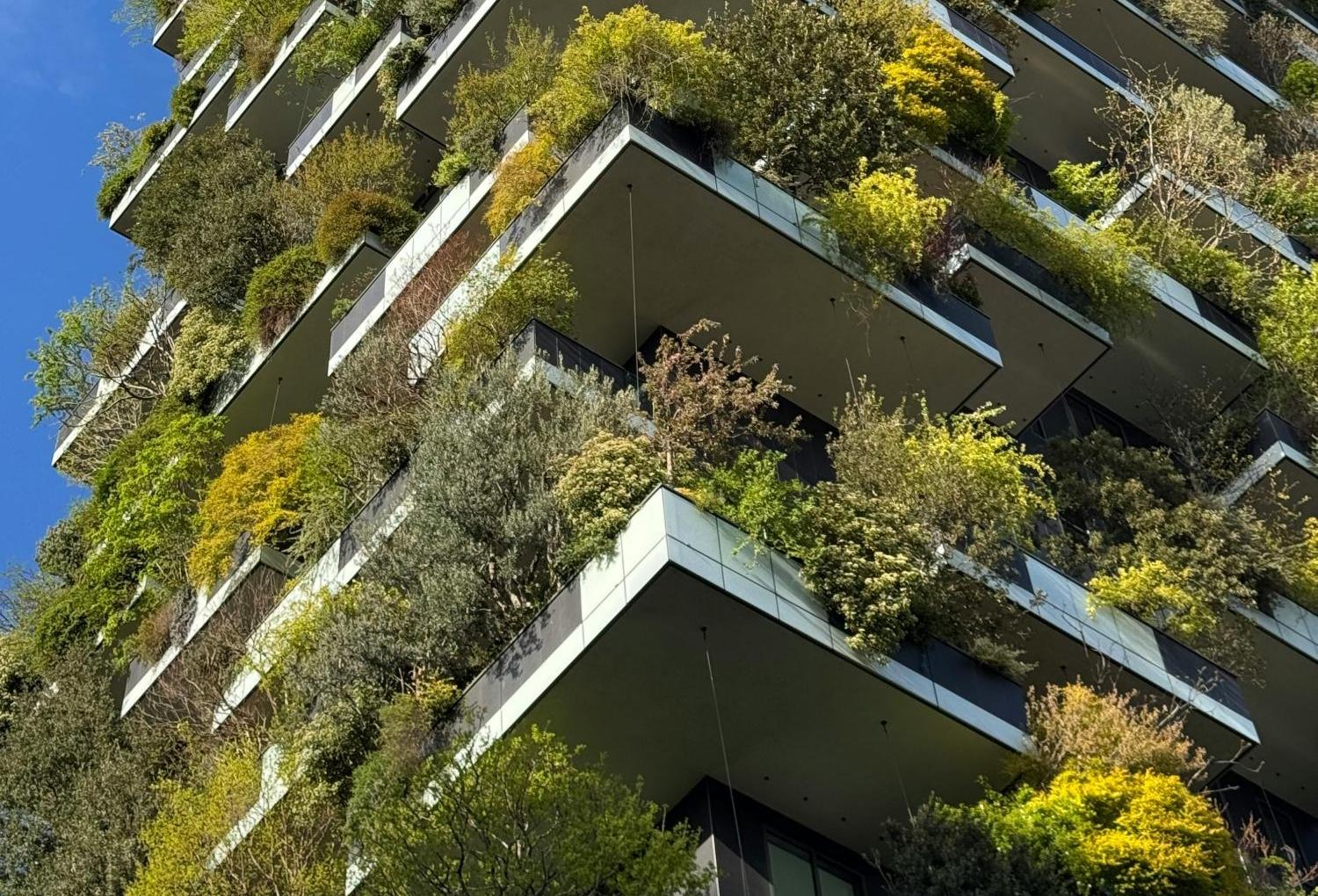
Venlo councillor Marij Pollux-Linssen opened the centre and stressed the importance of sustainable building. "Health is important for Venlo. That also applies to the buildings in which we live, work and learn. Bio-based materials can help with this. They burden the environment less and can contribute to a healthier indoor climate. By bringing parties together around this theme, we are working on healthy buildings and economic opportunities for our region."
Healthy Building Movement (HBM) is an EU-funded Interreg project in which nine organisations from the Netherlands and Germany are working together with the aim of promoting healthy building in practice. The partners within this Interreg project are: Municipality of Venlo (lead partner), Uniklinik RWTH Aachen, TU Eindhoven, Maastricht University, WFG Kreis Viersen, WFMG Mönchengladbach, Krefeld Business, ResScore GmbH and Bluehub. In addition, Healthy Building Movement has developed a large network of entrepreneurs, institutions and authorities who want to give a boost to the construction sector.
Entrepreneurs buy more battery systems
Sustainable and circular construction is gaining ground in the construction world, and so is the use of battery systems. For example, De Duurzame Jongens from Sittard is seeing increasing business use of large batteries. Not only to store solar power, but also to bypass grid congestion. The company is rapidly installing batteries at entrepreneurs' premises and grew from four to 35 employees in a few years.
According to commercial manager Wilco Mikic, many solutions are possible with systems with a storage capacity between 20 and 250 kWh.
With companies, the yield often starts with increasing their own consumption. Solar power that yields little on feed-in can be stored temporarily. Later, the company can use that power within its own connection. This reduces the need to buy electricity when tariffs rise. "If you set it up right, you can move towards 70 per cent own use. With smart interventions even towards 90 per cent," Mikic says.
Continuity is even more important. "You catch peaks and store energy temporarily. That prevents you from shutting down."