Praktijkverhalen


0 reacties

4x viewed
More than 80 million plastic data loggers end up in the rubbish every year. These are sensors used in sensitive transports of medicines and fruit, among other things. Changemaker Niels Postma of Tapp developed an alternative made of paper - initially without knowing it.
Who does not work in logistics has probably never heard of them: data loggers. But they are crucial for transporting drugs, vaccines and chilled food. After all, these are very sensitive to changing temperatures and humidity. Data loggers record that data during the journey, ensuring that risks are spotted immediately.
As a shipment of bananas or medicines arrives on site, a data logger is read and discarded. This creates tonnes of e-waste every year. Because such a data logger is full of chips and batteries.
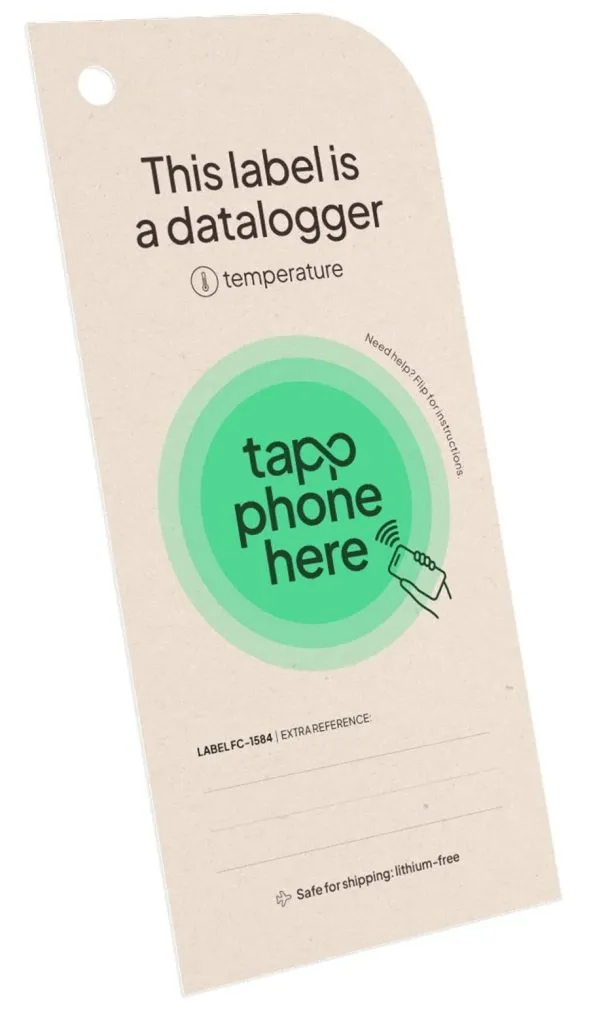
But not at Tapp. The startup by Niels Postma and Fabian Hijlkema developed the world's first paper data logger. It is also discarded after use, but with the waste paper. Fully recyclable, Postma explains.
The transport of sensitive products is a world few people know about. How do you know about the data logger at all?
'Via-via I came to work in a printing company in Friesland after my studies. There I started thinking more about paper. It is the most recycled raw material in the world, but we only use it to convey a message. Beyond that, it couldn't do anything. So I came up with the idea of adding a kind of interactive layer to paper, with a very thin chip in it, while it was still recyclable.
With that, I had developed a product I had no idea what it was exactly. Only later was I told that I had come up with a recyclable data logger. And that there are quite a few data loggers in use in the world. That was the beginning of Tapp.'