

Nieuws


0 reacties

71x viewed
Linsay Ketelings is the second winner of the Faculty of Science and Engineering Dissertation Prize. She received the award for her research on the health, safety and consumer perception surrounding meat substitutes and cultured meat. Each of these products has its own supporters who sometimes very decisively reject the other's choice.
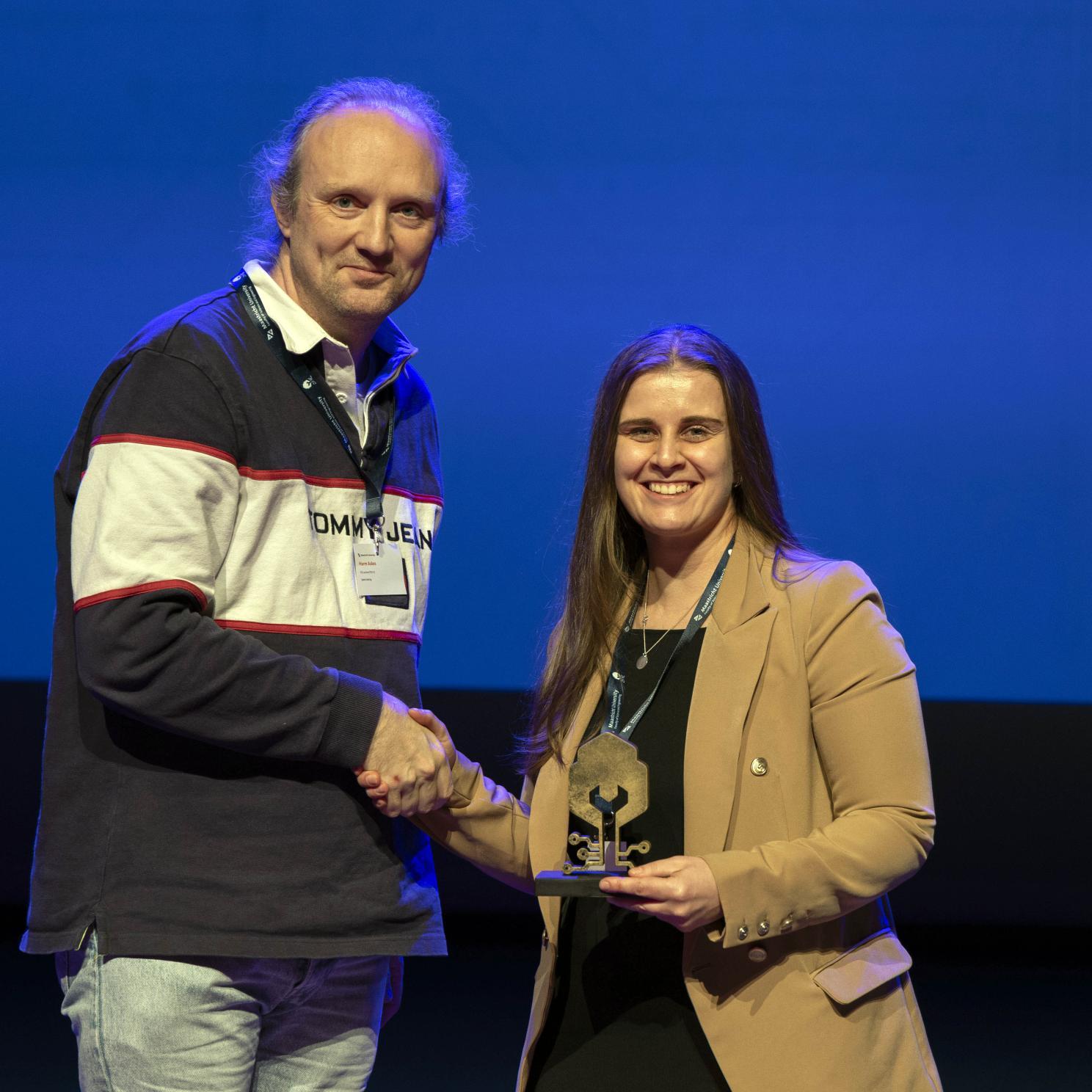
Linsay received quite a bit of attention for her research. In recent years, she has been in the newspaper, on TV and radio several times. Recently she won a spot in the Food100 and is one of the 100 most important Dutch food changers of the moment. This also struck the Dissertation Prize jury: "Linsay's excellent work has been recognized in various academic fields. It is also widely appreciated outside academia. She was actively involved in professional and lay publications which allowed her findings to reach a wide audience. Her interdisciplinary approach demonstrates her ability to connect disciplines for practical innovations."
This multidisciplinary approach characterizes her work. "Nutrition and health, food law and consumer behavior are the three pillars of my research," she says.
Meat substitutes, loved or not
In one of her first studies, she looked at the acceptance of meat substitutes. "In our focus groups with consumers, fun discussions arose. Some use meat substitutes regularly. Others stay far away from them, either because they only eat pure minimally processed plant-based foods or because they only eat animal meat. You sometimes hear the term Frankenstein food then."
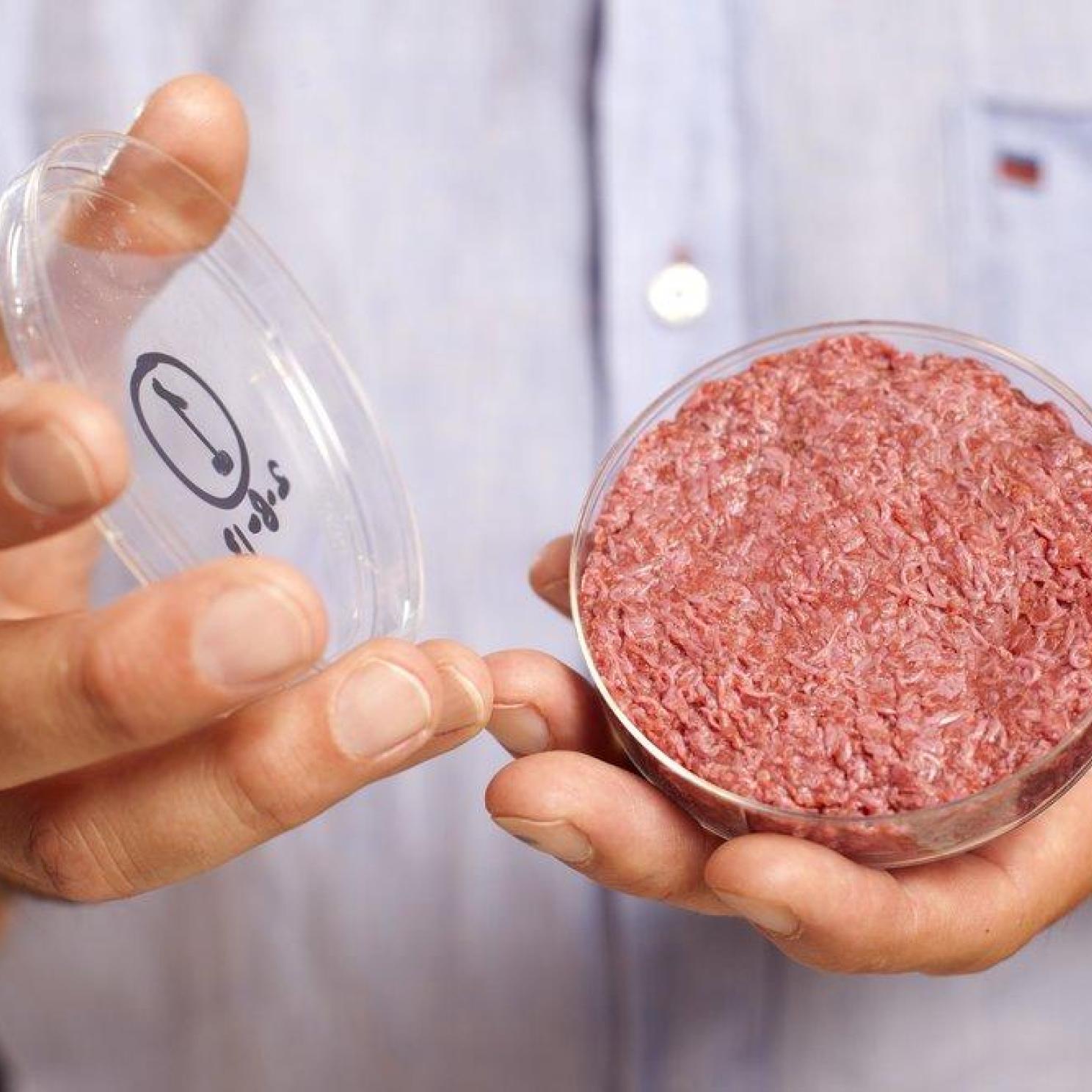
Another product that some link to nineteenth-century Frankenstein is cultured meat. Linsay was one of the first to look into the safety of this product. "On a molecular scale, it is identical to real meat," she says. Still, there were initial questions about the safety of its production. We asked scientists, manufacturers and lawyers to identify the potential risks and how plausible it would be for such a risky situation to occur. The risks described, as with traditional meat processing, turned out to be quite manageable." Linsay conducted her research when cultured meat was still in its infancy. Since then, the first countries are allowing the meat into their markets.
Confusing name?
Although most consumers use meat substitutes, there is a fear of meat substitutes among some, and this manifests itself in opposition to the naming of these products. Often these are names that, despite creative spelling, are reminiscent of real meat. The European Parliament recently decided it wants to get rid of names like vegaburger, veg schnitzel or hacked. The fear is that consumers will be misled by the names and mistake meat substitutes for real meat.
Linsay looked at consumer knowledge about meat substitutes and found that in the Netherlands it is quite good. Only when there are claims on the packaging, such as protein-rich, things sometimes go wrong. People overestimate the protein content of meat substitutes. But that doesn't have to be a problem, because the average Dutch person eats more than enough protein.
More impact
.Despite all the attention Linsay received, she would have preferred to have made even more of an impact. "Many heard about my research through the media. I hope it made people think and helped them break their meaty diets, bringing a more sustainable food system another step closer. However, I fear that my results did not get to where they would make more of an impact, such as the Ministry of Agriculture, Fisheries, Food Security and Nature or other policy makers. When you put your heart and soul into research for four years, you hope that your results will have a big impact."