

Nieuws


0 reacties

119x viewed
The Netherlands has taken new steps this year in pricing the emissions footprint of fossil fuels such as gasoline and diesel. At the same time, the growth of renewable energy is being encouraged. Specifically, companies and individuals with their own charging stations can earn money from the renewable power they provide for electric vehicles.
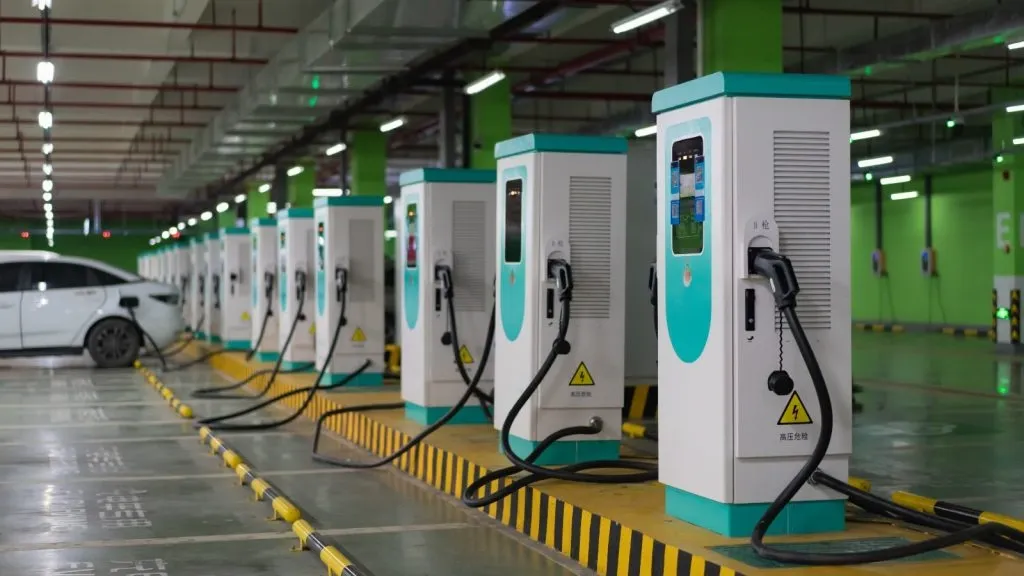
The Netherlands is taking new steps in pricing fossil fuels in the transport sector. That includes allowing companies and individuals with charging stations to earn money with a new type of certificate, based on the power their charging stations provide to electric vehicles.
Who wants a fee for the electricity from their charging stations must, in most cases, use intermediaries acting as accredited parties to do so. Several players are already active in this field, including Honorary Registration, FincoEnergies (Goodpower), Lekkerladen and Den Hartog. Recently, Voltico was added. This startup is an initiative of entrepreneurs Maarten and Eward Poot, previously active at partial scooter company Felyx and fintech companies Adyen and Cino, respectively.
'A market mechanism has been created that rewards the provision of renewable energy, while suppliers of motor fuels with a high carbon footprint pay for it. That encourages the adoption of biofuels and green power for transportation,' said Maarten Poot.
CO2 levy on fuel suppliers
The Dutch emissions reduction system in the transport sector is a precursor to European plans to make the consumption of motor fuels such as gasoline and diesel part of CO2 charges. The introduction of the so-called ETS 2 system in the European Union was recently delayed by a year until 2028.
In the meantime, the Dutch government has been working for several years with a system to incentivize emissions reductions, which since Jan. 1 has taken the form of a Fuel Transition Obligation. This controls CO2 reductions in the use of fuels in the transport sector through price incentives.
Since the beginning of this year, so-called emission reduction units (ERE) have been introduced, replacing the renewable fuel units (HBE) used in previous years. To offset the fossil fuels they sell, fuel suppliers are required to submit a number of ERE certificates per year to the Dutch Emissions Authority. 1 ERE represents 1 kilogram of CO2 equivalent emission reduction compared to a fossil reference point.
Fuel suppliers can acquire ERE certificates in two ways. The first option is to include renewable energy in their sales mix themselves, for example by supplying more biofuels. The alternative is to purchase ERE certificates from third parties.
The latter is linked to owners of charging stations. Those can obtain ERE units based on the amount of renewable electricity a charging station delivers to electric vehicles and then resell those certificates to fuel suppliers who need them for their annual obligation to the Dutch Emissions Authority.