

Nieuws


0 reacties

33x viewed
The Netherlands has big ambitions, but right now there is very little room on the grid to offer companies growth and sustainability opportunities. So companies need to be inventive. That starts with a good overview and understanding of their own energy consumption. And especially with converting that data into quick and appropriate solutions.
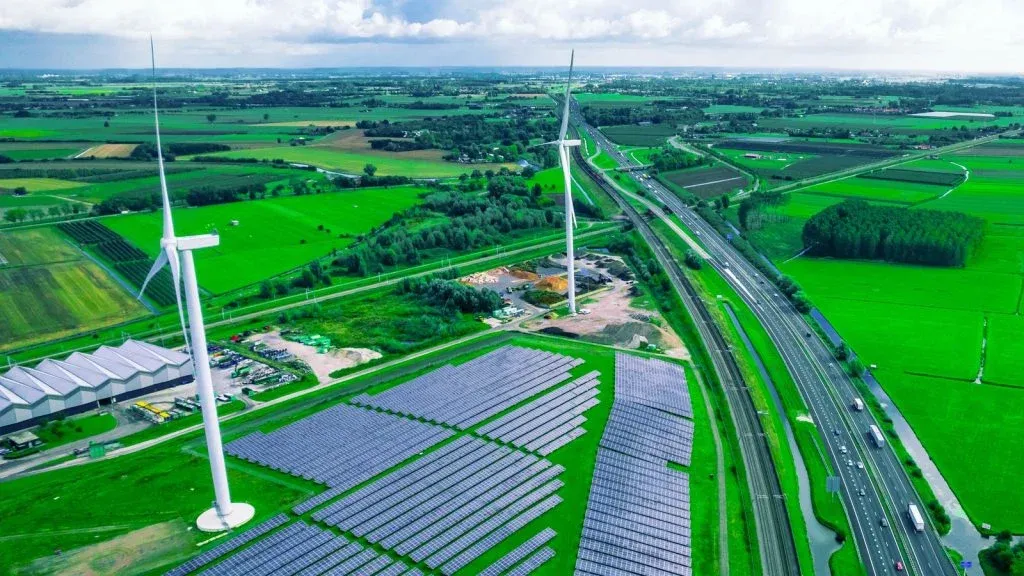
Replacing fossil fuels with sustainable alternatives: that's what the energy transition is about. Charging stations for electric cars? They fit perfectly into that picture. So do heat pumps to heat homes and business premises. But there is also a game-changer: the available capacity on the power grid. As is well known, in many places it is not designed for the increased demand and feed-in of electricity. And this while a major electrification battle is yet to come, because industry will also have to drastically reduce its use of fossil fuels.
Roles change
'The energy transition is currently in a difficult phase,' Thom Versteeg summarises the situation succinctly and diplomatically. He is Solution Lead for Smart Grids at Capgemini. He sees challenges, but certainly also positive developments. 'If you see the headlines about grid congestion and capacity problems, you might think that it is currently a big chaos. But if you zoom out, you see that a system change is also taking place, with parties busy addressing problems. With that, the roles of different parties are changing considerably.'
Wider range of tasks
Net operators, for example, are increasingly doing more than just their core tasks. 'Everyone can see that expanding the physical infrastructure is not going fast enough,' says Dennis Kersten, Head of Energy Transition & Utilities within Capgemini Invent. 'Where grid operators used to focus mainly on connections and maintaining and reinforcing the power grid, you now also see initiatives to make better use of the grid. For example, by giving companies more flexibility with new contract forms to avoid the 'rush hour' on the grid.'