

Praktijkverhalen


0 reacties

7x viewed
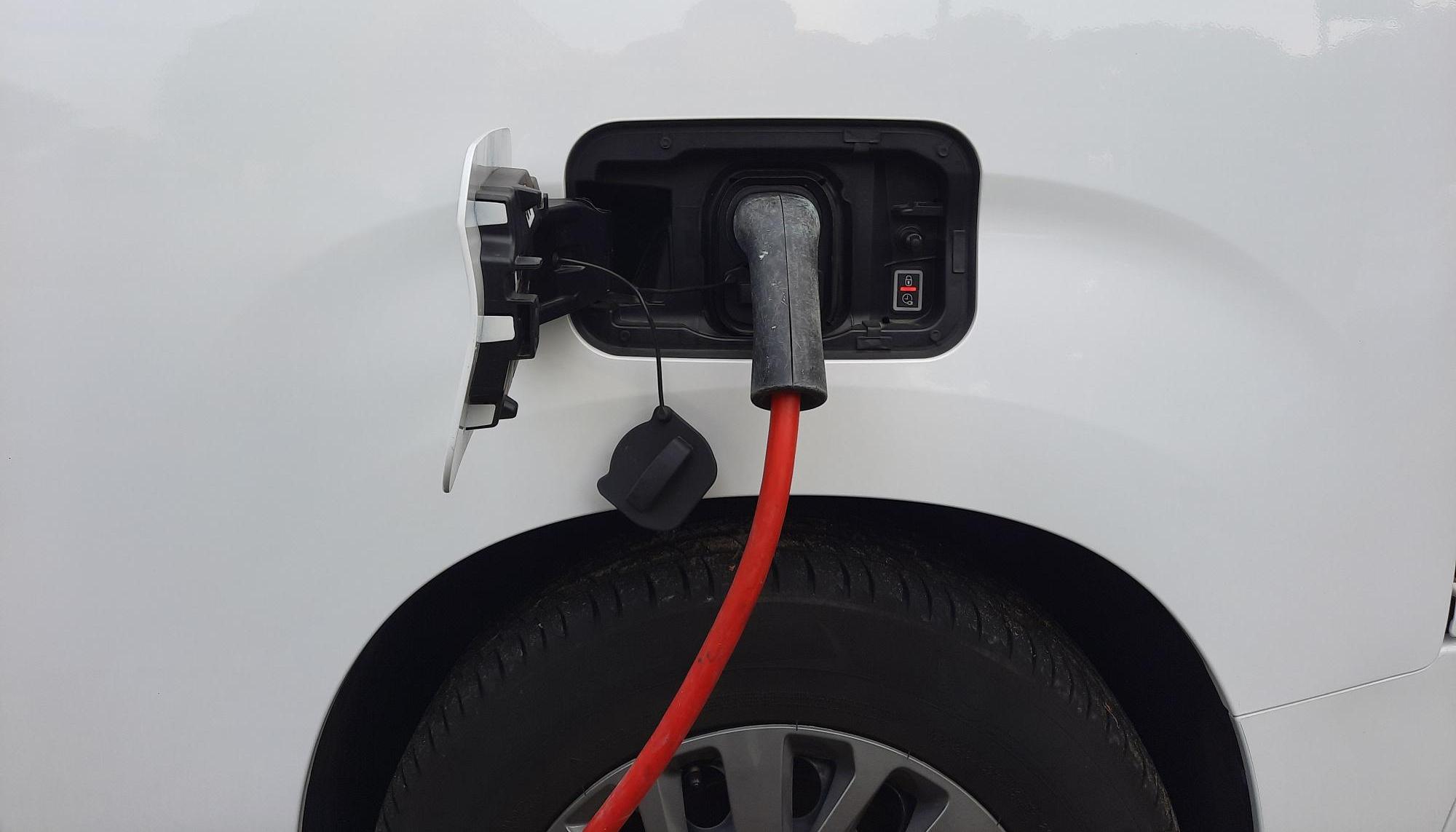
Lorries and buses account for 25% of all harmful gas emissions in Europe. Electric lorries can change that. The biggest bottleneck: a shortage of charging points for lorries. Entrepreneurs Adi Reznik and Ricardo Wervenbos explain how European subsidies and partnerships are making a difference.
Charging points in 10 European countries
Adi Reznik is Head of Public Funding at Milence, a partnership between commercial vehicle manufacturers Volvo, Daimler and Traton. Reznik sees demand for charging points growing rapidly: “By 2030, we expect there to be around 183,000 long-haul electric lorries and over 324,000 electric trucks in Europe. This requires a charging infrastructure that is at least 10 times larger than it is today.” In practice, this is proving difficult. The electricity grid is often unable to cope with the extra demand for power.
Reznik sees collaboration as the solution: “What we need is a pan-European approach. Lorries operate internationally, but each country has its own rules for charging points. That makes the process slow and unpredictable.” European funding is helping to speed this up. For example, Milence received support from the Connecting Europe Facility (CEF) Transport – Alternative Fuels Infrastructure Facility (AFIF) for the MILES project: 71 locations across 10 European countries, with 284 charging points for lorries. RVO implements the CEF Transport AFIF on behalf of the Ministry of Infrastructure and Water Management.
Finding where power is already available
Ricardo Wervenbos is commercial director at Entent, a specialist in electric charging solutions. He, too, is coming up against a saturated electricity grid, and change is difficult. “Upgrading the grid simply takes years. If you buy a plot of land, you can sometimes end up waiting 10 years.” His solution: look for locations where there is already a good grid connection.
Entent will soon be opening a charging hub in Woerden for 24 lorries. “This has been made possible in part thanks to a grant from CEF Transport, EU support and constructive feedback from RVO to secure the grant.”
Smart technology
Both companies use technology to take the strain off the electricity grid. For example, Entent’s customers charge their vehicles more cost-effectively outside peak times, whilst Milence is working on battery storage to absorb peaks in demand. For Ricardo, the way forward is clear: “European grants and the smart management of available electricity can really make a difference. Together, these measures ensure that lorries become more energy-efficient.”
Want to know more about European grants for infrastructure?
Go to Connecting Europe Facility (CEF) Transport
Source: rvo.nl