

Nieuws


0 reacties

25x viewed
New European rules on sustainability and chain transparency are putting further pressure on Limburg SMEs. Legislation such as the CSRD requires large companies to report more and more extensively on CO₂ emissions, material use and the sustainability of their chain, shifting that pressure to smaller suppliers and subcontractors as well. At the same time, energy prices remain high, the power grid is getting fuller and investments in filtration systems, electrification, storage and recycling facilities often cost tons. This is precisely why, for many SMEs, circular entrepreneurship turns out to be less straightforward than its green image suggests.
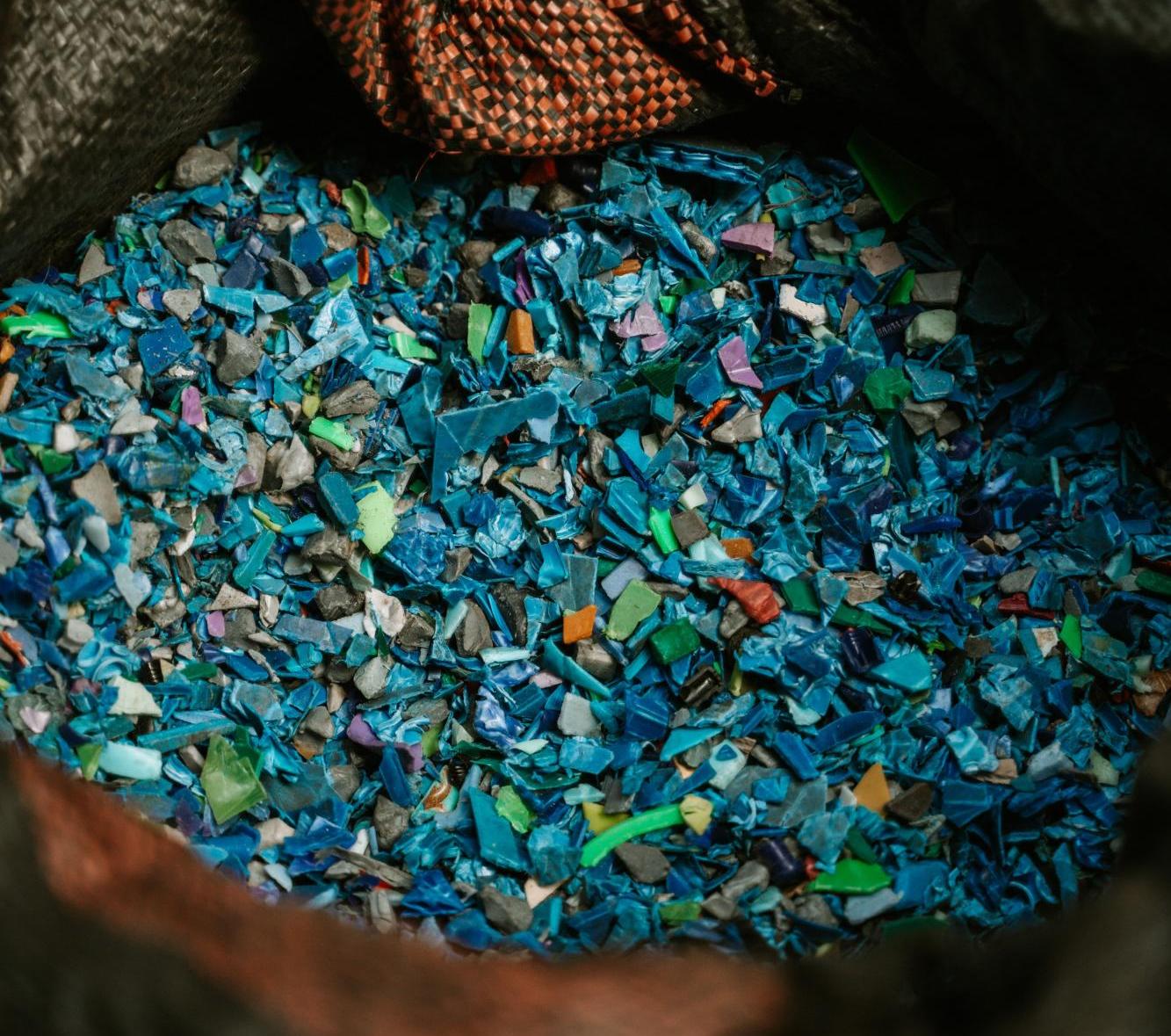
But circularity can also give companies a lot. Less waste means lower disposal costs. Reusing metals and materials reduces dependence on expensive raw materials. Refurbished equipment is often tens of percent cheaper than new. Metal recycling also involves much lower energy consumption than production from virgin ores. This is precisely why circularity is growing so fast. Not only because of sustainability considerations, but also because raw materials are becoming more expensive and supply chains have become more vulnerable.
Extra technology, extra energy
However, smaller companies in particular find it chafing. A circular process often requires extra technology: filter systems, storage, logistics, sorting or electrification. This costs money and quickly amounts to tons. At the same time, smaller companies often produce too few residual flows to make such investments profitable quickly.
In order to break through this barrier, entrepreneurs are increasingly looking for support from tax schemes such as the Environmental Investment Allowance (MIA) and the Voluntary Depreciation of Environmental Investments (Vamil). In addition, an important key lies in cooperation. Where an individual SME has too few residual flows to recoup an expensive installation, cooperation on business parks sometimes offers a solution. By collecting residual flows centrally and bundling volumes, sufficient scale is created.
Balancing costs and benefits
Balancing costs and benefits
Without that scale, however, it will be a matter of trial and error. Materials have to be cleaned, transported, separated or reprocessed. Especially with high electricity prices, part of the environmental gains can evaporate economically. Circularity is therefore not only about sustainability, but also about energy prices, scale and efficiency.
At Mayfran International (Landgraaf), it is exactly about that world. The company supplies systems for waste and coolant handling, filtration and material processing in the metal industry. Technology that helps companies keep raw materials longer in the chain and reduce losses.
A metal ladle that is reused does not have to come from a mine again. That saves raw materials, transport and energy. But at the same time, that processing itself requires additional technology and power consumption. In fact, circularity only pays off when the value of recovered materials exceeds the extra costs of processing and energy.
A similar tension plays out at ROCKWOOL. There, stone wool is produced from molten basalt in a process with extremely high temperatures. The company is currently converting two production lines to electric melting technology powered by green electricity. According to ROCKWOOL, this should reduce CO₂ emissions on those lines by around 80 per cent. At the same time, this very project shows how complicated industrial sustainability actually is. The conversion requires huge investments, extra grid capacity and a factory that remains highly energy-intensive in spite of everything.
But new opportunities are arising from these and other innovations. Researchers at TNO, for example, recently presented a laser technique that allows solar panels to be recycled much more efficiently. According to the researchers, up to 99 per cent of the silver can be recovered from old solar panels. But even with silicon, this can be done cleaner and with less energy loss than with existing techniques.
Innovations like that show where the real development is likely to be. Not in slogans, but in technology that actually makes circularity cheaper, smarter and more energy efficient. In the end, the same rule of thumb applies here as well: circularity only survives if economic reality and ecological ambition are balanced.
Source: Enterprise in Limburg