
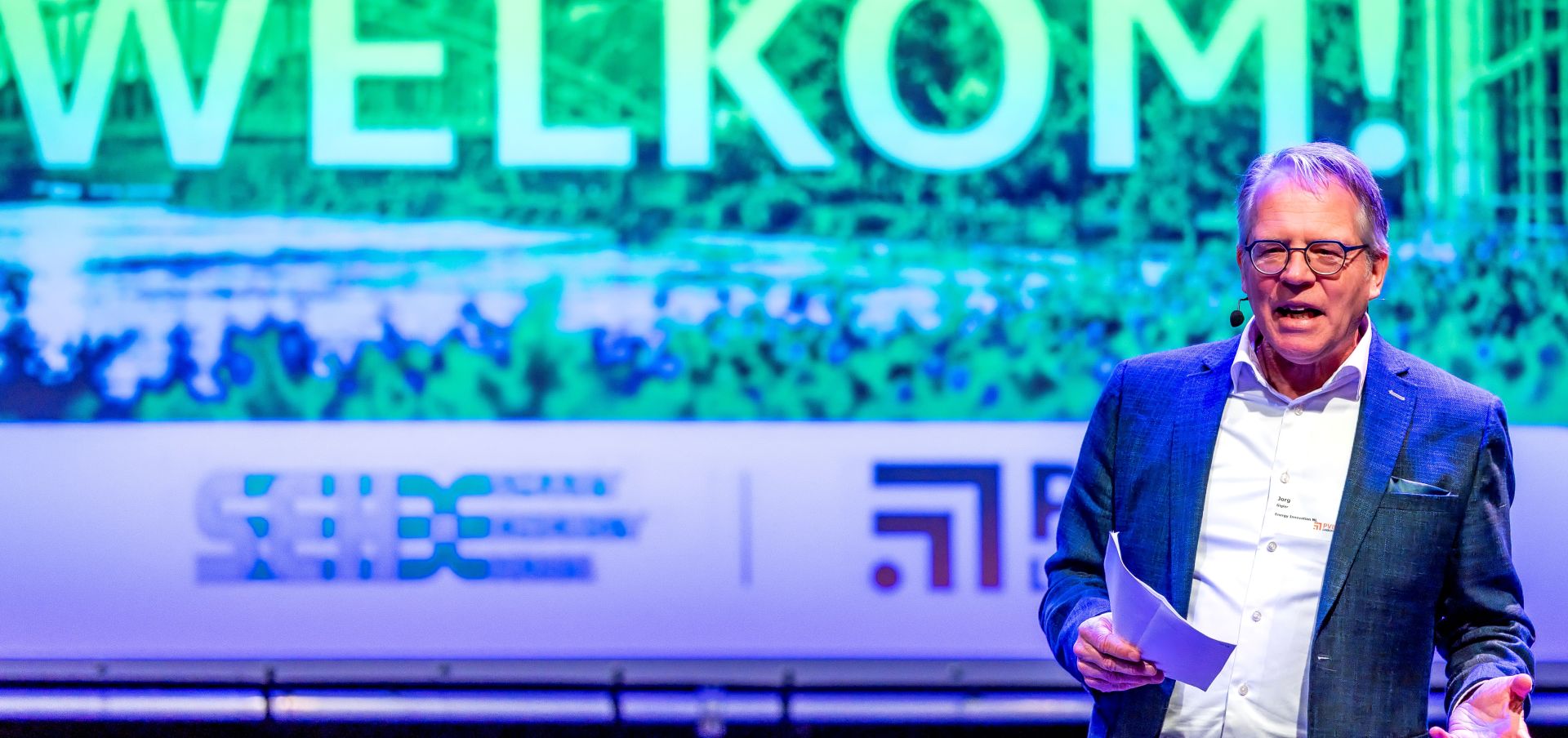
 Fotografie: Marcel van Hoorn
6 November | Duurzaam | ShiftLimburg
A Look Back at “Hydrogen Works!”
Where do the opportunities lie for entrepreneurs in Limburg?
What role can hydrogen play in making Limburg’s business sector more sustainable? And what is needed to move from promising technology to viable applications?
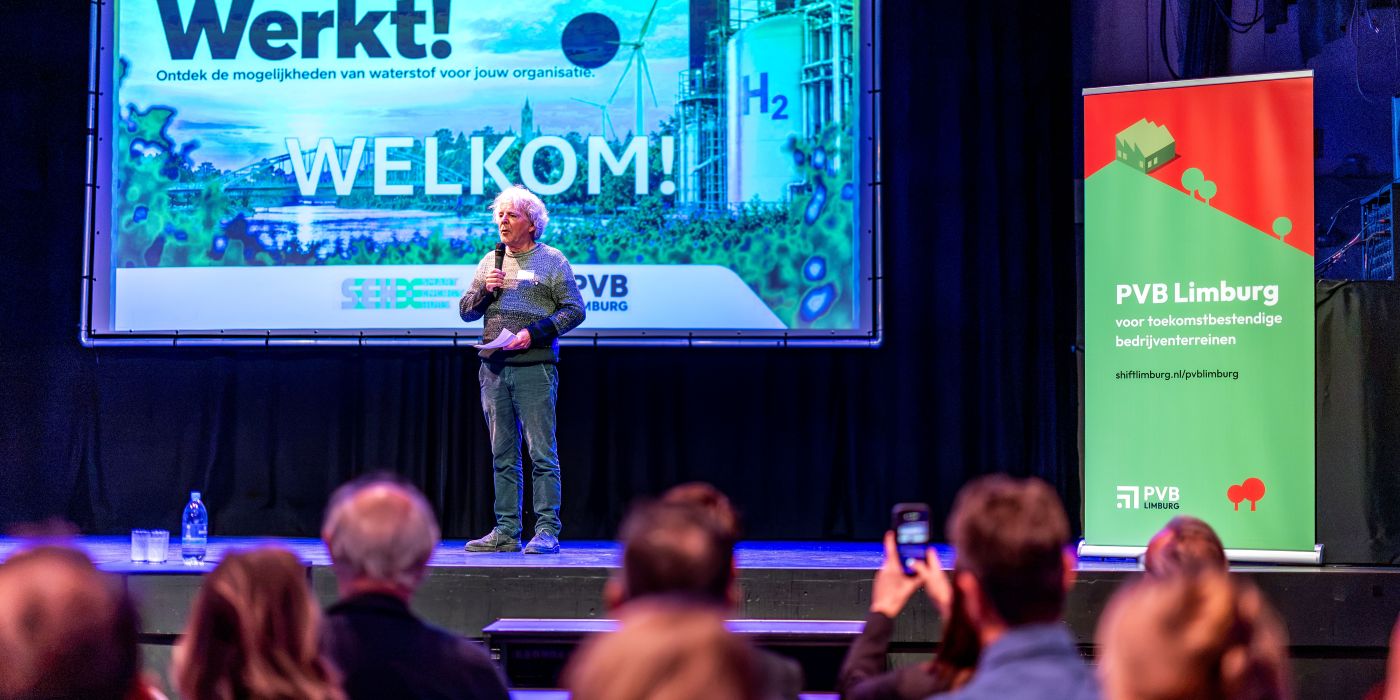
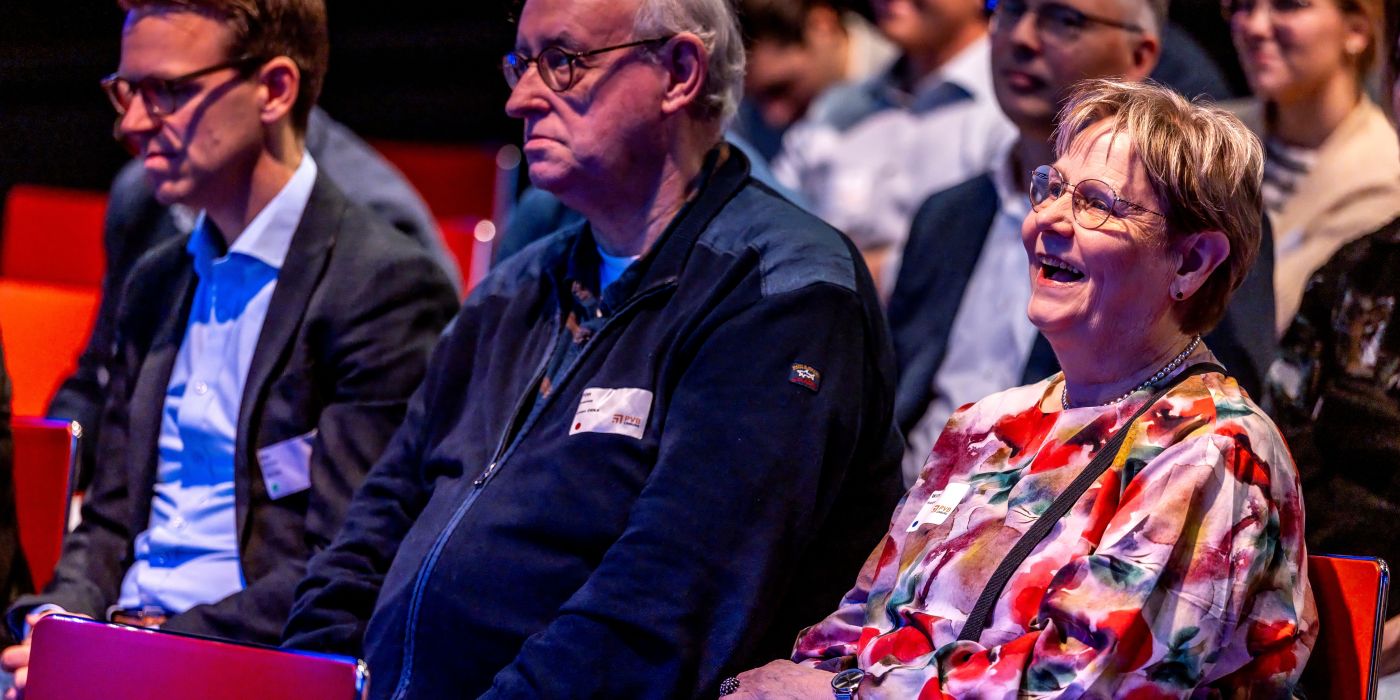
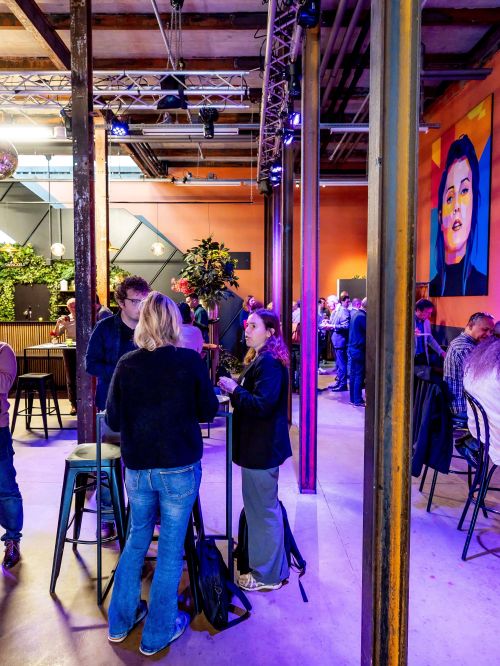
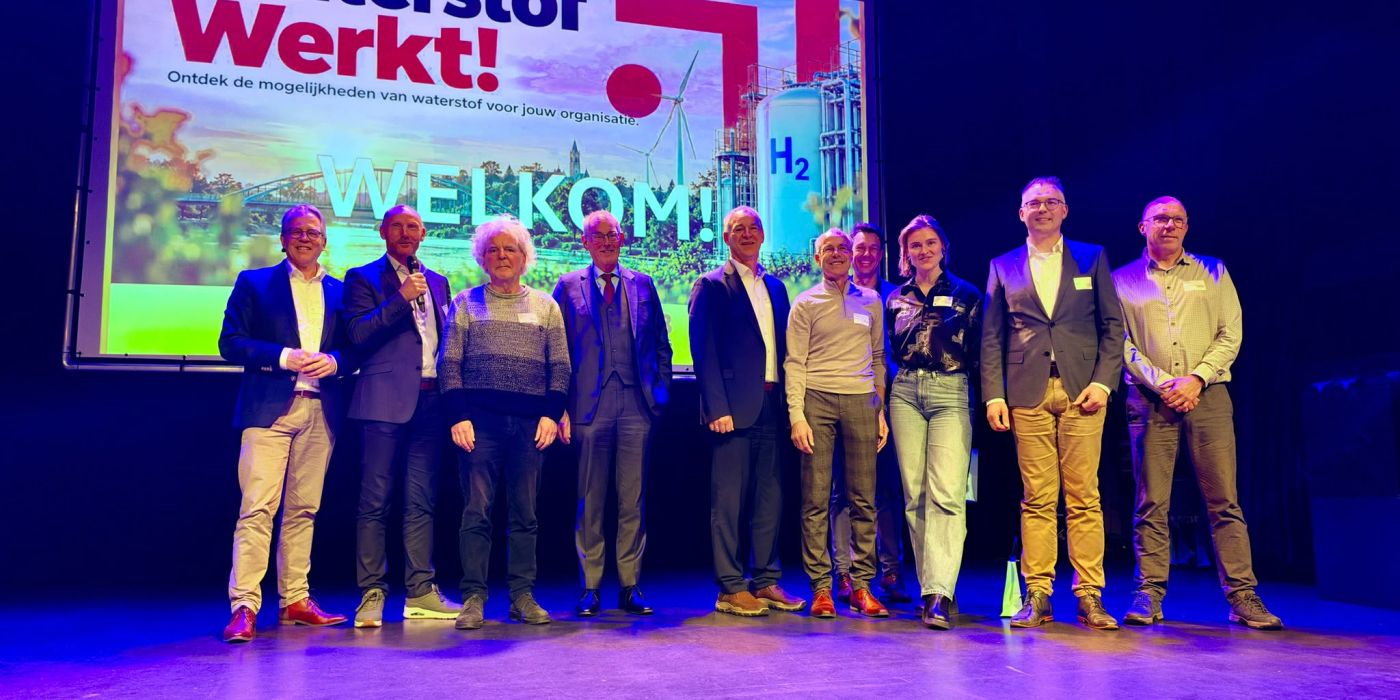
During the ‘Hydrogen Works’ event on 4 November at the ECI Cultuurfabriek in Roermond, more than 80 entrepreneurs, experts and representatives from the education sector and government came together to explore these questions. The conclusion? Hydrogen offers plenty of opportunities, but the path to a functioning hydrogen economy requires realistic choices, investment and, above all, collaboration.
Hydrogen as part of the energy system
The energy transition requires more than just a shift from fossil fuels to renewable electricity. How do we store energy when the sun isn’t shining or the wind isn’t blowing? How do we ensure that businesses have sufficient energy available? And what role can hydrogen play in this?
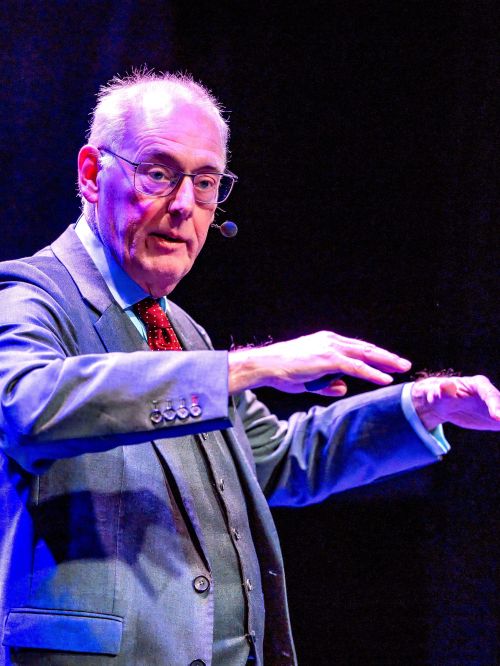
Prof. Ad van Wijk of Delft University of Technology shared his vision of the energy system of the future with those present. In his view, hydrogen plays an important role in this vision as a complement to electrification. Hydrogen can offer a solution, particularly in sectors where direct electrification is technically challenging, such as heavy industry, shipping and parts of the freight transport sector.
The storage and transport of renewable energy also offer promising prospects. Green hydrogen makes it possible to store renewable energy for longer periods and transport it over greater distances. It can therefore contribute to a more stable energy supply.
However, this does require a comprehensive system – ranging from production plants and storage facilities to transport networks and international energy supply chains. Van Wijk therefore emphasised the importance of a long-term vision and timely investment in infrastructure.
Working together on new energy infrastructure
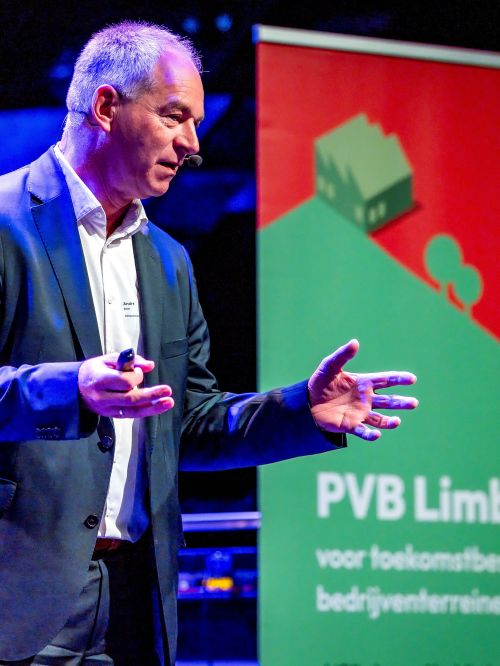
André Boer of HiDelta used the Multicommodity Hub in Sliedrecht as an example to illustrate how such an energy system might take shape in practice. There, entrepreneurs, public authorities, the network operator Stedin, the energy and waste management company HVC, and research institutions are working together to develop an energy system in which electricity, heat and hydrogen are interconnected.
The idea is to make the most efficient use possible of locally generated renewable energy. Surplus solar and wind energy, for example, can be stored or converted into green hydrogen. By coordinating energy consumption and generation across different businesses, opportunities arise to share energy and invest jointly in infrastructure.
This is a relevant example for business parks in Limburg. Here, too, businesses are reaching the limits of the electricity grid, whilst the demand for renewable energy is growing. A collective approach can create new opportunities that would be difficult for individual companies to achieve on their own.
At the same time, the example from Sliedrecht shows that an energy hub is not merely a technical issue. It requires cooperation, an understanding of energy demand and joint investment.
From hydrogen ambition to entrepreneurship
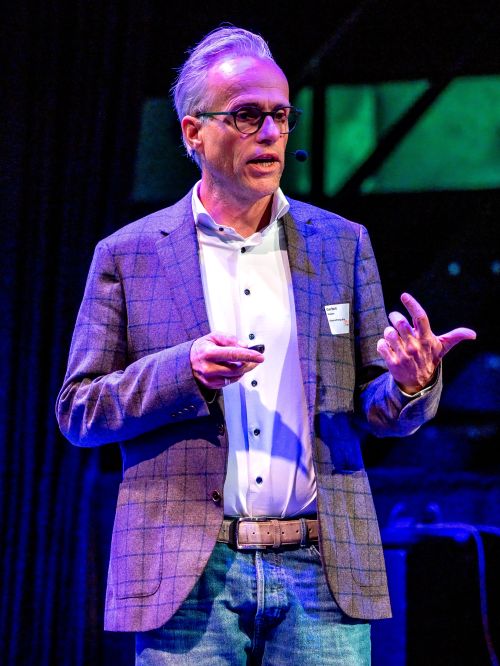
Gerbert Vissers, CEO of Vissers Energy Group, made it clear that the development of a hydrogen economy does not happen by itself. Drawing on his experience with sustainable mobility and the development of hydrogen refuelling stations, he outlined what is involved in building a new energy supply chain.
A concrete example is the hydrogen-related initiatives in Tegelen. Work is underway there to create a regional ecosystem that brings together the production, storage, distribution and use of hydrogen. It is precisely this connection that is important: a filling station needs a sufficient number of users, whilst transport companies can only make the switch once they are assured of a reliable and affordable fuel supply.
Funding also plays a major role. Vissers discussed the SWIM subsidy scheme, which can support investment in hydrogen mobility. But subsidies alone are not enough. Entrepreneurs also need clear policy, accessible infrastructure and sufficient market demand to be able to make sound investments. His account made it clear that the hydrogen transition is not just about technology, but also about entrepreneurship and the ability to take steps forward despite uncertainties.
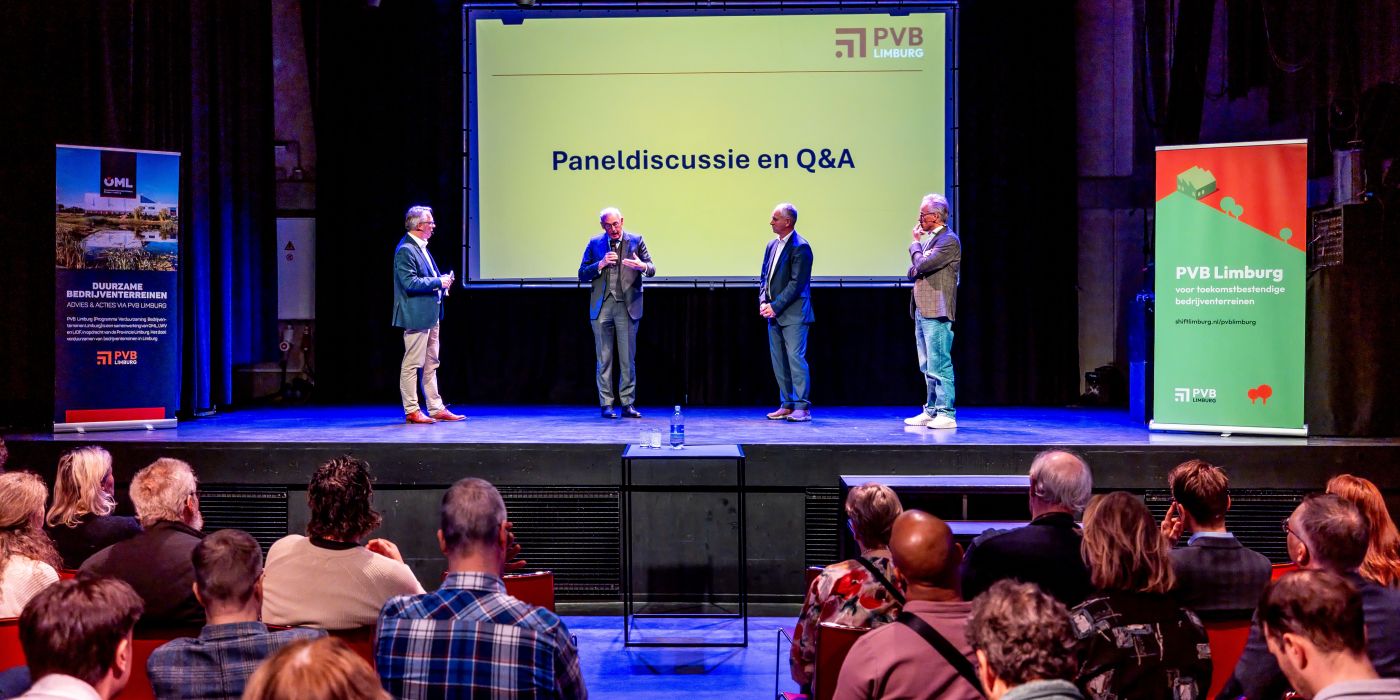
The three keynote speeches were followed by a panel discussion chaired by Jorg Gogler, during which attendees were able to ask questions and engage in further discussion about the opportunities and challenges of the hydrogen transition.
Hydrogen in industry: start with the business process
In the afternoon, the programme was expanded with three knowledge sessions. During the session on hydrogen in industry, Jaco Reijerkerk and Tess van Eeden from Ekinetix highlighted an important point: the energy transition does not begin with the choice of a particular technology, but with the needs of the business. What must a production process still be able to do reliably in ten or twenty years’ time? What temperatures are required? How much energy is used and when? And what infrastructure is available?
Based on these questions, businesses can explore various pathways to sustainability. These might include more efficient energy use, electrification, sustainable heating, hydrogen or a combination of these. Hydrogen is particularly interesting when its properties actually offer added value. For example, if a production process requires a molecular raw material, involves very high temperatures or cannot be easily electrified directly.
Timing is also important here. After all, the announcement of a hydrogen network does not automatically mean that an individual company will have access to sufficient affordable hydrogen at the right time. Production, transport, storage, permits and investment must all be properly coordinated.
The key message for business owners? You don’t need to know the final solution just yet to start taking steps today. By assessing their energy requirements and future investments, businesses can better judge which path is feasible and which decisions they need to start preparing for now.
Mobility: there is no single perfect fuel
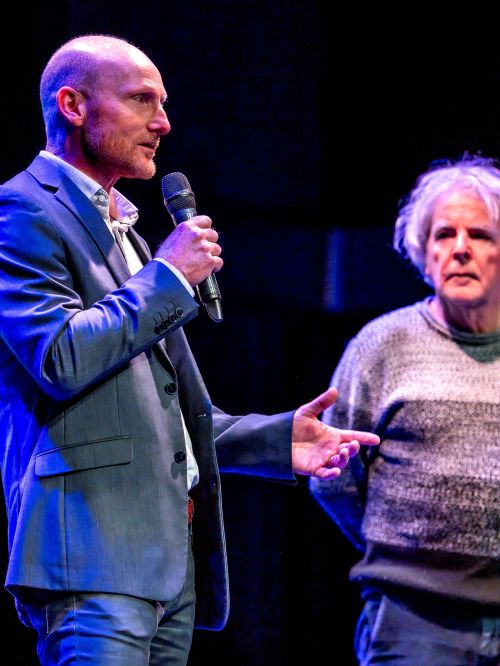
In logistics and mobility, too, sustainability is all about finding the right application. Jan-Willem Tolkamp of LIOF, Dick van Aggel of Medi Cura and Pleun van der Kooij of FIER discussed the potential of hydrogen and battery-electric transport.
From an energy efficiency perspective, battery-electric driving is generally the best option. However, for transport companies, there are other factors to consider. How many kilometres do vehicles travel each day? When can they be charged? How much power is available? And what happens when a fleet grows from a few electric vehicles to dozens or hundreds of lorries?
Dick van Aggel, speaking on behalf of Medi Cura, highlighted how important it is to consider not only the vehicle itself, but also the surrounding energy supply. Available grid capacity and opportunities for collaboration with nearby businesses play a key role in this regard.
Pleun van der Kooij demonstrated that the development of electric lorries and charging infrastructure is now in full swing. European regulations are encouraging the roll-out of charging and hydrogen infrastructure along key transport corridors. At the same time, work is underway on energy hubs and new ways to charge lorries more quickly whilst on the move.
Financial viability remains a key consideration in this regard. It is not just the purchase price, but also energy prices, operating costs, subsidies, residual value and other costs that determine whether a sustainable lorry is an attractive option.
The session yielded three practical lessons: there is no such thing as a perfect fuel; infrastructure is at least as important as the vehicle itself; and practical experience is indispensable. Ultimately, the right solution depends on how the business is run.
Hydrogen for SMEs: opportunities and safety
Hydrogen is not just of interest to large industrial companies. Opportunities are also emerging for SMEs to store and utilise sustainable energy.
During the third knowledge-sharing session, Maarten Ruijtenberg of Hermanos Energy, Karin Perdaems of the Lelystadse Boer Foundation and Marcel Vogelsangs of MV Energietechniek shared their experiences with small-scale hydrogen installations.
Practical examples from sectors including agriculture and heat supply highlighted the potential offered by small-scale hydrogen installations. For instance, systems were discussed in which solar energy is converted into hydrogen, stored and then used at a later date to generate electricity or heat. Applications were also discussed in which hydrogen can help reduce the use of fossil fuels.
This offers opportunities, particularly in the agricultural sector. Farms sometimes have large numbers of solar panels, but are unable to use or feed back all the electricity they generate straight away. By combining different forms of energy storage, they can make their energy supply more flexible.
At the same time, the use of hydrogen requires careful preparation. Marcel Vogelsangs therefore discussed safety, licensing and regulations in detail. This includes the requirements for hydrogen production, storage and refuelling facilities, as well as the new NTA 8091 standard for temporary mobile hydrogen generators.
The message was clear: technical feasibility is only one aspect of a viable project. Safety, design, planning permission and management must also be taken into account from the outset.
From sharing knowledge to working together
In addition to the programme of events, there was an information fair where organisations from across the hydrogen value chain showcased their innovations and products. Among others, Voyex, Hermanos Energy, HyER Power, Oost NL / H2B, Power to Power, UFS H2-Sensing and WaterstofNet / Hy-Infra were in attendance. During the networking lunch and in between sessions, there were plenty of opportunities to make contacts and explore potential collaborations.
What linked the various presentations and practical examples was the importance of collaboration. Hydrogen production needs customers; sustainable mobility requires refuelling and charging infrastructure; and industrial applications depend on affordability and security of supply.
This presents both a significant challenge and an opportunity for Limburg. Within PVB Limburg and Smart Energy Hubs Limburg, work is underway to connect businesses and develop collective energy solutions in business parks. In doing so, the focus is increasingly broadening beyond electricity alone. Heat, sustainable molecules and shared infrastructure can also form part of a future-proof energy system.
‘Hydrogen Works’ demonstrated that the potential is there, but that not every application is suitable for every business. The next step is therefore not simply to use more hydrogen, but to work together to investigate where hydrogen actually adds value and how promising initiatives can be realised.
Want to work together to create future-proof business parks?
PVB Limburg supports businesses, local authorities and other stakeholders in making business parks more sustainable and future-proof. The programme is implemented in Limburg by the consortium comprising LIOF, LWV and OML.
Would you like to explore the options available for your business park or work with other business owners on a collective energy solution? Please contact PVB Limburg via pvblimburg@liof.nl.
Check the programme
Contact
Renée Boesten
LIOF
pvblimburg@liof.nl
06 27 96 60 98