
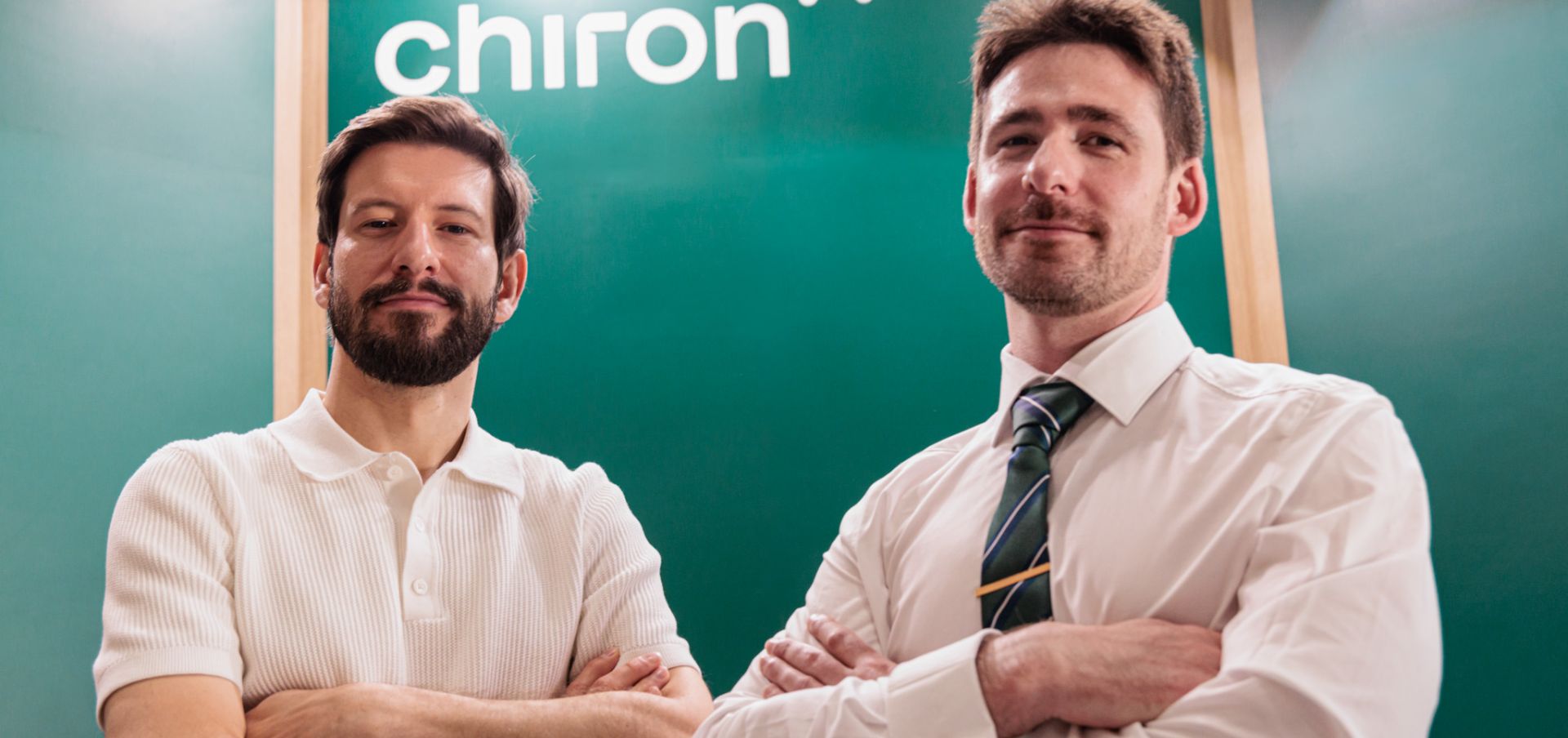
 Photo: chiron at OARSI 2025 in Seoul, Korea
1 October | Innovatief | ShiftLimburg
From Limburg to South Korea: chiron is helping reshape the future of drug development
The way medicines are developed is changing. Traditional animal models are increasingly being complemented by new technologies that more closely mimic human biology. Right at the heart of that transition is chiron.
From Limburg, the young biotech company is developing organ-on-chip technology that is now finding its way across the globe. A new collaboration with South Korean HLB bioStep marks an important next step. “We want to make a real difference in the way medicines are developed.”

A mouse is not a human. It sounds obvious, but for decades animal models have played a central role in testing new medicines before they reach clinical trials. And while these models still have their place, they also have limitations.
That is where chiron comes in. The Maastricht-based company develops human in-vitro models that help pharmaceutical companies better understand how new therapies might behave in humans before they are tested in patients.
“We try to recreate the human environment as closely as possible outside of the body, in a smaller and simpler version,” explains co-founder Dustin Dopsa. “You essentially trick the cells into thinking they are still in the body. That allows them to behave in a more human-like and lifelike way.”
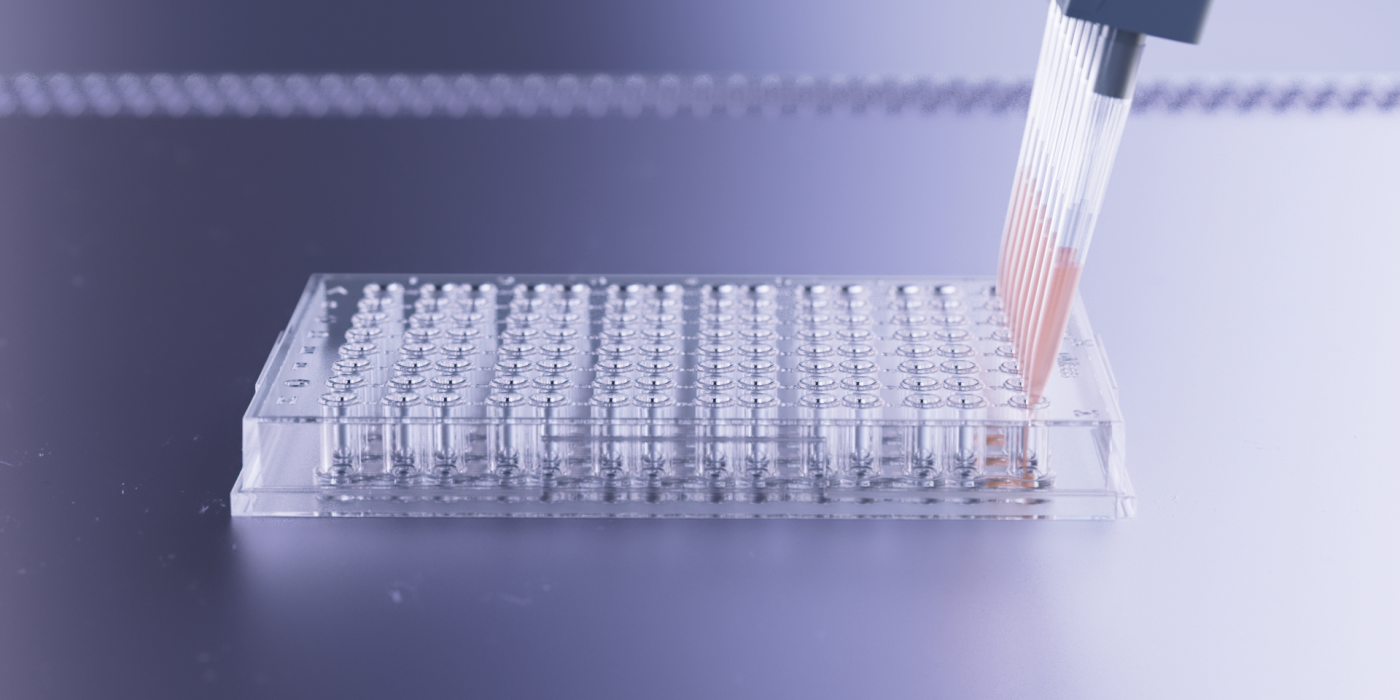 Photo: chiron μMass™ platform
Better medicines
What ultimately drives chiron? “Our biggest motivation is developing new medicines that are going to help patients in the future,” says Dustin. “The fact that we can reduce the use of animals at the same time is an additional benefit.”
That distinction is important. chiron is not simply trying to replace one test with another. The company wants to provide pharmaceutical companies with better, more human-relevant information at an earlier stage of drug development.
That is becoming increasingly relevant as medicines themselves change. New types of therapies, such as cell therapies and mRNA-based treatments, are designed specifically around human biology. In some cases, traditional animal models simply cannot provide all the answers researchers need.
“If you want to understand how something works in a human, an animal can sometimes steer you in the wrong direction,” Dustin explains. “You might get a positive result in an animal and then find that it doesn't work in humans. At the same time, some newer therapies don't even work in animals because they weren't designed to.”
The industry is taking notice. According to Dustin, drug development has become increasingly expensive while bringing fewer new therapies to market. At the same time, regulators** are becoming more open to new testing methods. “The whole field has realized that things need to change. Even regulators, which tend to be the most traditional part of the ecosystem, are changing their ways.”
Looking east instead of west
That changing landscape also creates opportunities for chiron. And in searching for those opportunities, the company decided to do something characteristically different.
chiron's slogan is ‘see things differently’. Dustin and his co-founder Carlo Alberto Paggi try to apply that philosophy not only to their technology, but also to the way they build the company.
“When you talk to investors or people who have done this before, they often tell you: you have to go to the United States,” Dustin says. “We thought: maybe we'll do that later. Let's not do exactly what everyone else is doing.”
Instead, chiron turned its attention to Asia. After visiting conferences, making new connections and exploring the market, South Korea emerged as an interesting opportunity. One conversation led to another and eventually brought chiron into contact with HLB bioStep, a major South Korean preclinical Contract Research Organization (CRO).
The match may not seem obvious at first. HLB bioStep has traditionally built its expertise around animal models. But that is exactly what makes the collaboration so interesting.
“They are very good at the traditional approach, but they also see this shift happening,” Dustin explains. “They know that what they do will remain useful for certain aspects, while at the same time they see what we're doing and what is going to be needed in the future.”
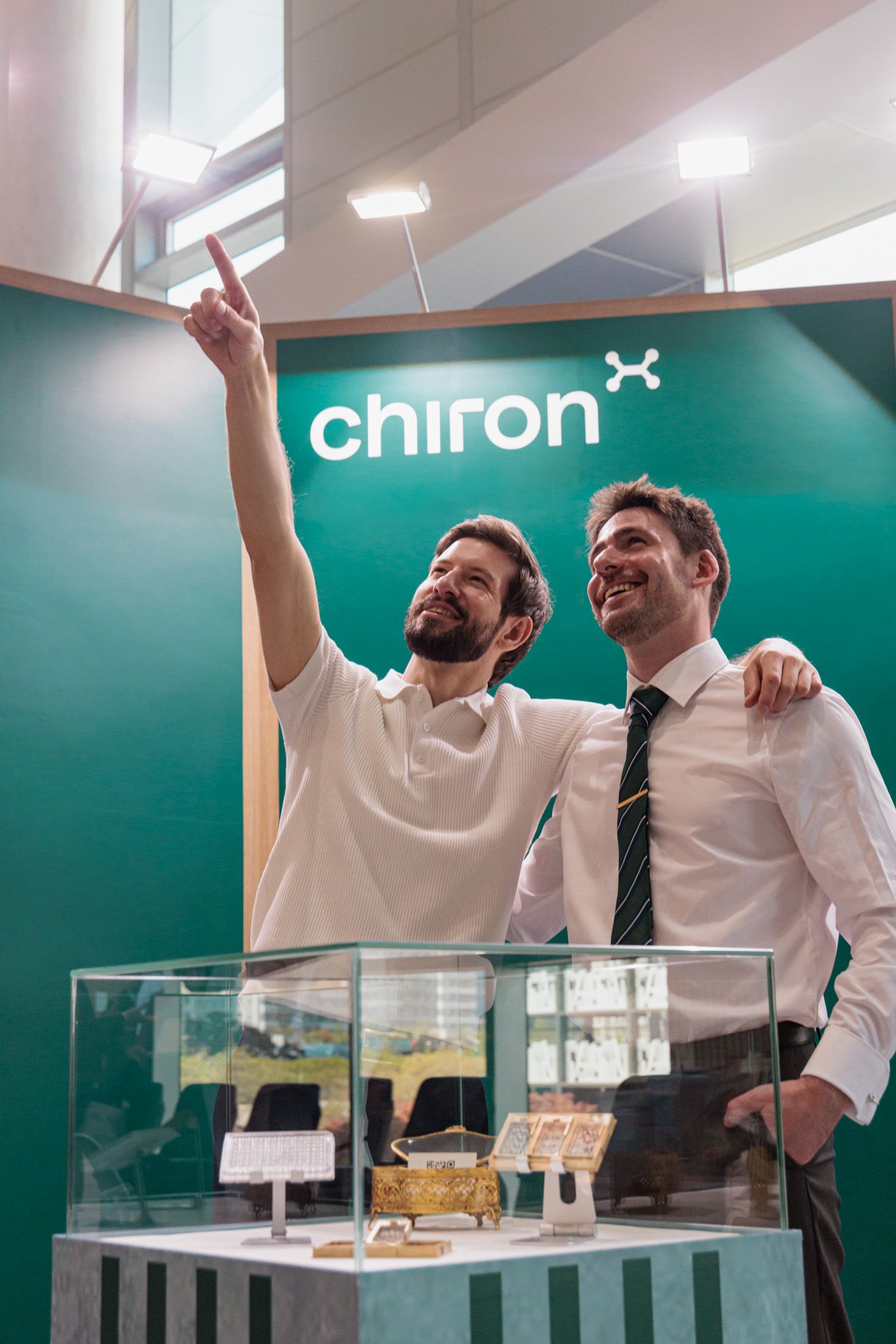 Photo: chiron at OARSI 2025 in Seoul, Korea
Combining strengths in South Korea
The two companies decided to join forces. chiron contributes its human-focused models, while HLB bioStep brings extensive expertise in traditional preclinical research and a strong network in the South Korean pharmaceutical industry.
Together, they can offer pharmaceutical companies a broader approach.
“We can create more of an end-to-end package,” Dustin says. “We can start with our models, supplement some of the animal models and determine which animal studies are still needed. Ultimately, it is about giving the customer the best possible information.”
The relationship did not develop overnight. chiron first met HLB bioStep around two years ago and has travelled to South Korea regularly since. Building the relationship face-to-face and understanding the local business culture proved essential. The collaboration has since been formalized in an MOU and attracted considerable media attention in South Korea.
And it is moving beyond intentions. The companies have presented their collaboration at conferences including BIO KOREA 2026, and joint projects with Korean drug developers are now underway. chiron plans to return to South Korea to meet with clients involved in these projects.
For Dustin, that makes the international attention more than a nice headline. “Seeing our technology being shipped around the world and ending up in South Korea is extremely cool. You realize that, in a way, you're leaving a little mark on the world.”
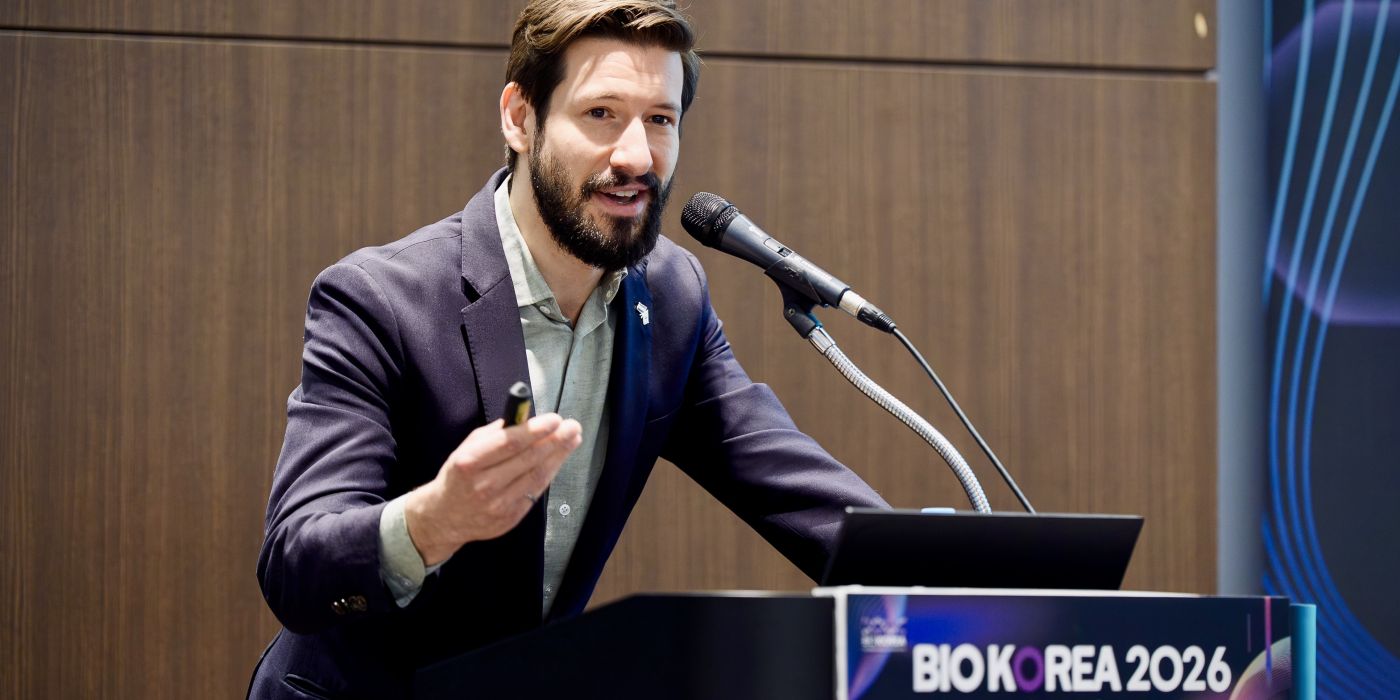 Photo: chiron presenting at BIO KOREA 2026
Designed in Limburg
That global journey starts in Limburg. chiron's technology was designed in Maastricht, and the company deliberately decided to keep building its future here.
There was a time when Dustin and Carlo considered moving to the Randstad, where Leiden is home to one of the country's best-known bioscience clusters. In the end, they chose Limburg.
“We decided that Limburg actually had more to offer us,” Dustin says. “Maastricht University is very strong, Brussels and Germany are close by and we have collaborators just across the border. At the same time, we're one of relatively few companies here working in this space, instead of competing with everyone for a small piece of an already accounted-for pie.”
The regional ecosystem has been an important part of that journey. chiron works closely with researchers at Maastricht University, who use and further develop its technology. LIOF has supported the company with funding, business development questions and investor connections, while Brightlands has provided access to another valuable network.
Those connections are one reason chiron stayed. The other is perhaps less scientific.
Dustin, originally from Canada, and his Italian co-founder share a love of food and good living. “We sometimes joke that we tried to get as close to Italy as possible while still being in the Netherlands,” he laughs. “But that quality of life matters too. Some of our best creative ideas come from conversations over dinner or drinks.”
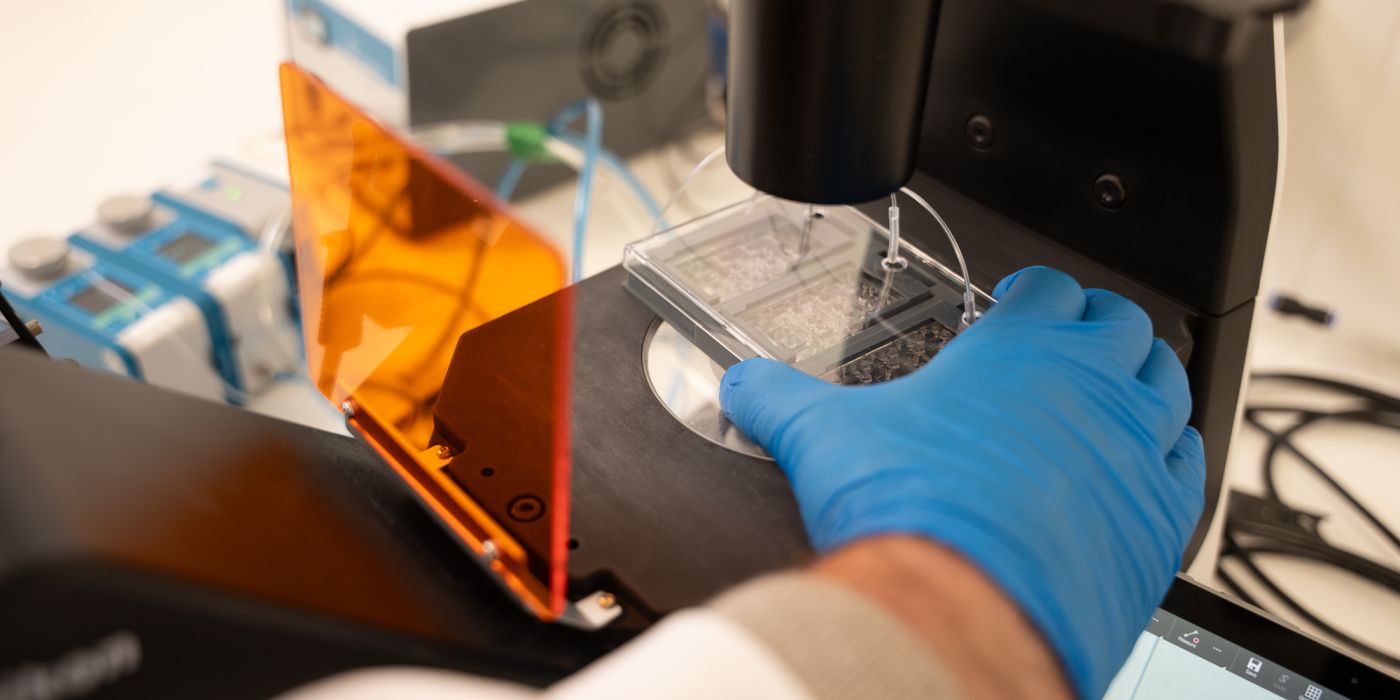 Photo: chiron Re-plate™ platform
The ultimate milestone
After just over five years, chiron is increasingly making its mark internationally. Invitations to speak at conferences and organizations such as the European Medicines Agency are, for Dustin, a sign of the company's growing influence.
But the milestone that matters most has yet to come.
In the coming years, chiron wants to see its models used more widely and demonstrate that they can provide better insights during drug development. Ultimately, success will not be measured by how many platforms are shipped around the world, but by what those platforms help make possible.
“We want to see true innovation reach patients,” Dustin says. “When we get to the point where a medicine that we have helped develop is actually being used by patients, that will be a very special moment. That's really the North Star we're working towards.”
For a company whose philosophy is to see things differently, the ambition is clear: help change the way medicines are developed. From Limburg, to South Korea, and far beyond.
See things differently
Curious to learn more about how chiron is helping shape the future of drug development from Limburg? Discover more about chiron’s technology, vision and international ambitions on their website.
Go to chiron